What Can a Dentist Do for a Broken Tooth?
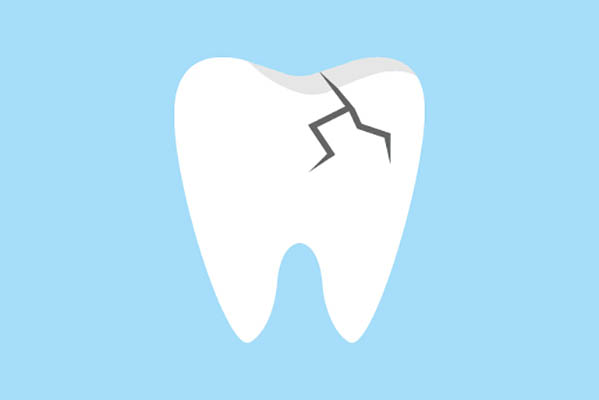
Wondering what a general dentist can do for a broken tooth? Read on to learn more. Having a broken tooth can be destabilizing. The incident can happen after falling, or even eating ice or hard candy. The good news is that a general dentist can address a broken tooth. The extent of the damage will determine the right treatment for you.
Treatment options for a broken tooth
The following are some common treatment options for repairing a broken tooth:
Dental bonding
Dental bonding involves the application of a tooth-colored resin material to the teeth to improve their appearance and strength. It fixes dental problems like chips, cracks, decay, discoloration, misalignment, and gaps in teeth. With proper care, composite bonding can last up to a decade.
The broken tooth will be roughened and treated with a conditioning fluid. After applying the composite, the dentist will mold and smoothen it. Afterward, a UV light is used to cure the composite material. After bonding has set, the tooth will be polished to match the surrounding teeth.
Veneers
For a realistic look, porcelain veneers are a great option. A veneer is a thin layer that is applied on the broken tooth's front side to hide imperfections. With proper maintenance, veneers last as much as three decades without needing regular replacement. The dentist can place veneers on one or multiple teeth. Veneers may not be suitable for people who grind their teeth.
Veneers require taking off a portion of the tooth’s enamel. It will be necessary to make impressions. At this stage, the dental professional will decide the color, size, and shape of the veneer to ensure a seamless blend. They may place temporary veneers on the teeth until the permanent ones are completed in a lab. In the final process, the temporary veneers will be taken out and replaced with the brand-new veneers.
Dental crowns
If the damage is too severe, a crown may be necessary. A dental crown is a cover placed over a tooth to protect it from external influences. It protects the teeth from additional damage and possible loss. A tooth that has been damaged cannot handle chewing without a crown.
Tooth-colored porcelain helps to create a natural look. The crowns are custom-made for each patient and are color-matched to the remaining teeth.
First, a local anesthetic will be administered to make the patient comfortable during the procedure. The crowning process requires removing a portion of the tooth structure. The dentist will then take molds or impressions of the teeth to create a well-fitting crown.
Root canal
If the tooth has a crack that reaches the inner pulp, the patient may need a root canal treatment. A crown may be installed later after the root canal procedure to prevent the crack from spreading outwards. A root canal involves removing the nerve and decayed tooth matter. If the dentist suspects an infection, the root canal treatment helps save the tooth and the oral tissues from further damage. Sometimes, an x-ray may be necessary to ascertain the condition of the tooth.
The dental professional will access the inside of the tooth with a drill and remove the pulp and nerve tissue. The tooth is then sealed to prevent it from recurring infection. After the procedure, a crown may be fitted over the tooth to restore its strength. The treatment process may require multiple appointments.
Dental implant
If a crack extends below the gum line, a dental implant may be necessary because the tooth cannot be saved. The dentist will need to remove the tooth. Afterward, the missing tooth can be replaced with a dental implant. Implants replace the tooth's roots and are inserted into the jawbone for strength and durability.
After placing the biocompatible titanium screws into the jawbone, the bone will fuse with it over the next couple of months. After that, the foundation will be strong and durable enough to get the abutment and final crown. If bone cannot support dental implants, the dentist may recommend bone grafting.
Final thoughts
It may be hard to determine how much damage a tooth has sustained after the injury. Dental professionals typically recommend prompt action no matter how severe the issue is. Cleanse the area with warm water immediately. Cold compresses can help reduce swelling on the face.
If you can find any broken pieces of the tooth, bring them to the dentist so they can assess it and suggest treatment. Contact our dental office today to schedule an appointment.
Request an appointment here: https://www.autumnheightsdental.com/ or call Autumn Heights Dental at (210) 245-4184 for an appointment in our Converse office.
Check out what others are saying about our dental services on Yelp: What Should I Do If I Chip My Tooth in Converse, TX.
Related Posts
A dental crown can save a tooth that is in danger of extraction. Dental crowns serve a dual purpose. They reinforce the tooth structure and improve the appearance of the smile at the same time. This means that a dentist could recommend a crown as a treatment for tooth decay or injury. A cosmetic dentist…
Dental crowns are a great way to restore the health and appearance of your smile after oral health issues develop. Dental crowns work by surrounding a vulnerable or damaged tooth and offering protection from further damage. Crowns may also be used for teeth replacement purposes as well.Several of the more common oral health issues that…
In most cases, the process of fitting dental crowns takes multiple sessions in the dentist’s chair. This implies an investment of time, effort, and money on your part. It then follows that you want the best out of your investment. So how do you keep the dental crowns in your mouth in excellent condition for…
The cosmetic appeal of dental crowns rests on their ability to sheathe natural teeth. A dental crown is also a custom restoration, meaning that it fits the underlying tooth like a glove. It covers the visible part of the tooth, from the biting surface to the base.These qualities make a dental cap one of the…