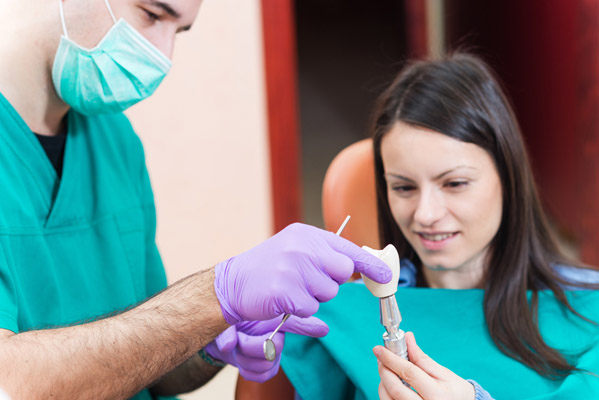
If you are dealing with significant dental trauma or tooth loss, dental implants are a permanent solution that can help restore your smile. The gaps created from missing teeth can also impact speaking and chewing abilities. Many patients enjoy the natural-looking and durable results that implants can offer over replacement options like a resin-retained bridge, a partial denture, or a complete removable denture. However, it is important to care for this type of dental work properly to ensure a better outcome.
Recovering from the dental implant procedure
Traditional implants require multiple surgeries that allow the tissues to heal and the jaw bone to properly fuse between steps. However, some patients may be candidates for same-day implants. Whether you schedule a single procedure or multiple appointments, most patients can expect the same general type of recovery.
Knowing procedural length
Though the entire process for implant restoration could take as little as six months to complete, there are some options for attaching an artificial tooth in one day. Considering the discomfort from the procedure, it is a good idea for another person to attend the procedure and drive the patient home. It is safe to plan on spending at least two hours at the dental office. Speak to a dental specialist about a more accurate estimate for the procedure.
Managing pain and swelling
For the first few days after receiving dental implants, patients will likely experience mild to moderate pain and inflammation. Some light bleeding and minor bruising may occur as well but should clear up within a few days. Patients should be careful to follow the dentist's recommendations for pain medication and can use cold compresses to help keep swelling under control.
Eating a soft-food diet
For the first few days after the procedure, it is important to be gentle with your teeth and gums as they recover. Eating hard, tough, or crunchy foods can be painful and may cause the stitches to pull, resulting in even more discomfort. A soft-food diet is recommended until the discomfort and swelling subside. Gradually reintroducing other foods can help prevent unnecessary pain or damage.
Allowing incisions to heal
For the area to heal properly and thoroughly, a clot has to form at the incision site. However, spitting, rinsing, or drinking through a straw can create pressure in the mouth and loosen the clot or prevent it from forming altogether. Dentists recommend avoiding these practices for the first 24 hours after a dental implants procedure.
Worrying about implant failure
Implant failure could occur if too much pressure is put on the implant or if an infection develops at the sight of the implant or in the gums. Failure can occur within a few months or over a year later, leading to the potential removal and replacement of the implant.
Long-term care for dental implants
The first 24 to 48 hours after this treatment require the most specific care. After a day or two, many patients find they feel able to return to normal activities. However, it can take many weeks for the soft tissues to heal completely. It is important to continue to care for dental implants to promote faster healing while preventing complications.
Routine dental care
Brushing and flossing are essential, especially around an implant. Use a soft nylon toothbrush and avoid using abrasive toothpaste or mouthwashes. There are several types of flosses designed for use with implants to make flossing easier. Cleaning may look different for the first few weeks after surgery, but once the area has healed enough, patients should resume regular dental care. It is also essential to keep up with follow-up appointments and regular checkups.
Lifestyle changes
In general, patients do not need to make major dietary changes for dental implants. It is wise to avoid or limit extremely hard foods as these can damage the tooth cap. Smoking and tobacco use can increase the chances of implant failure and should be avoided. Chewing on foreign objects or teeth-grinding can also be harmful to implants.
Conclusion
Dental implants are a great option for restoring lost or severely damaged teeth. There is a decreased risk of losing jaw bone density or experiencing problems with eating or speaking when implants replace missing teeth. This restorative solution is convenient and durable, presenting individuals with a reliable option for addressing multiple aspects of oral health. With the proper care both immediately after the procedure and long-term, patients can enjoy the benefits of this type of treatment for a lifetime.
Request an appointment here: https://www.autumnheightsdental.com or call Autumn Heights Dental at (210) 245-4184 for an appointment in our Converse office.
Check out what others are saying about our dental services on Yelp: Dental Implants in Converse, TX.
Related Posts
If someone is looking for an alternative to placing new dental implants, they may be interested in one of the newest procedures on the market—implant crowns. If a patient chooses to go this route, there are some factors to consider before committing to the procedure, including how long it will take to place the crown…
Broken or missing teeth can weaken a patient's bite force. Fortunately, a restorative dentist can repair these teeth and, in turn, improve bite force and chewing function. The goal is to help patients enjoy the benefits of a fully functional smile.If left in disrepair, a damaged or decayed tooth can lead to larger issues—such as…
Your entire household can have their teeth checked out at the same time if you visit a family dentist. These are dentists who are trained to provide services to patients of all ages. Getting routine dental checkups is an essential part of good oral hygiene. Most dental issues can be avoided by practicing good oral…
A restorative dentist can treat your dental decay. Cavities show that your tooth is being attacked by bacterial acids. This type of dental problem can lead to more severe dental damage if you do not get early treatment for it. Here are the ways your restorative dentist can help with your tooth decay.Tooth decay tends…