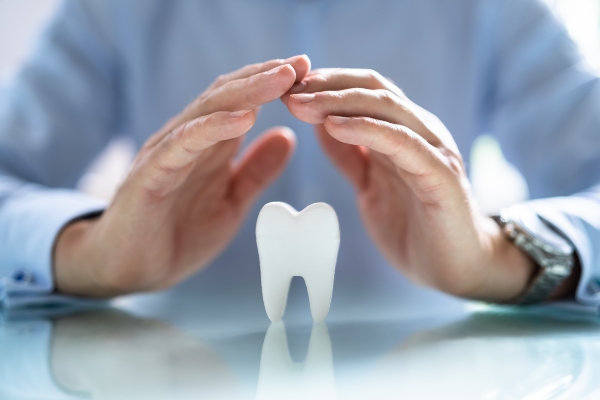
Dental implants are long-lasting, permanent tooth replacements. They are a popular choice among patients for their durability and ability to look and feel like natural teeth. However, dental implants are an investment, and they should be cared for as such. Follow the tips below to help extend the life span of your implants and prevent implant failure.
5 tips for looking after dental implants
1. Practice good dental hygiene
Twice daily brushing, daily flossing, and regular dental checkups are integral to caring for dental implants. Although the implants themselves are not subject to tooth decay, the surrounding bone and gums may deteriorate. Therefore, neglecting one’s dental hygiene can lead to peri-implantitis (gum disease around the implants), infection, and other factors that cause dental implants to fail.
2. Brush with a soft-bristled toothbrush
Do not brush dental implants with medium- or hard-bristled toothbrushes. Instead, opt for soft nylon toothbrushes to prevent scratching and wearing away the implant’s surface. It is also best to use toothpaste and mouthwash made for sensitive teeth. In addition, avoid abrasive oral health products like at-home dental picks.
3. Do not smoke or drink alcohol in excess
Tobacco and acidic alcohol can wear away dental implants. Smoking and drinking can also slow down the healing process after getting implants. A longer recovery period may increase one’s chance of improper healing and infection — two common causes of dental implant failure. Refrain from smoking and drinking for at least 72 hours after first getting implants; if possible, do not drink or smoke for the first six months.
Some types of alcohol are worse for dental implants than others. For instance, red wine easily stains implants. However, a glass of wine every now and then should be okay. Drinking in moderation is fine in most cases.
4. Watch what you eat
Watching what one eats after dental implant surgery allows for proper healing, which in turn sets the implants up for a long life. Only eat soft, liquid foods the day after getting implants. This may include yogurt, applesauce, pudding, soup, mashed potatoes, and similar foods. As the mouth heals, the patient may start eating soft food that requires some chewing, like pasta, rice, eggs, and steamed vegetables. Regular food, like meat, should be safe to eat after a couple of weeks.
Dietary changes remain important after the healing stage, however. Limit sugar and acid intake to prevent peri-implantitis. Drinking too much coffee and tea can also stain implants, shortening their life span.
Invest in nightguards
Patients who grind their teeth at night may benefit from sleeping with nightguards. Grinding the teeth with dental implants can wear them down quickly. If grinding is excessive, they may even chip away or crack.
Learn more about caring for dental implants
Dental implants last for 10 to 15 years on average. They can, however, last for decades with proper care. For more information on how to make dental implants last as long as possible, contact our team.
Request an appointment or call Autumn Heights Dental at 210-245-4184 for an appointment in our Converse office.
Related Posts
Many people assume that only a small group qualifies for dental implants. On the contrary, a wide range of adults are eligible to replace teeth with this popular smile restoration. To start, most candidates simply need to be in good health, have a strong jawbone, and practice good oral hygiene. A dental provider looks at…
Dental implants replace tooth roots, anchoring right into the jawbone. They support natural chewing forces, protect the jawbone from tissue loss, and stabilize confident smiles. This design makes them a smart investment for those seeking a long-term solution to replace missing teeth. While dental implants can last a lifetime, their longevity depends on proper care…
When someone is missing one or more teeth, it will affect not only their ability to eat, but also the health of their jawbone and face structure, and this can all be corrected with dental implants. As an additional concern, these implants can improve your smile, which will be good for their confidence level and…