Endodontics Therapy Can Save Your Injured Tooth
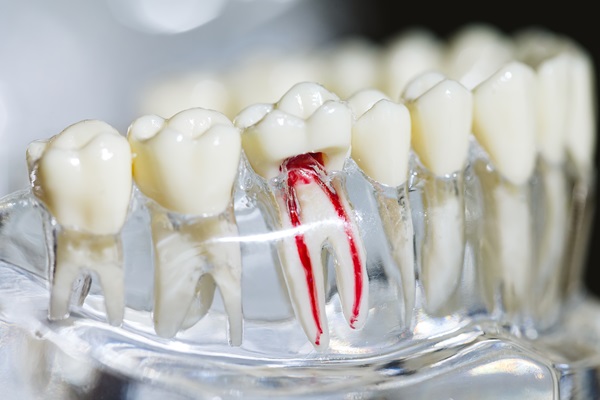
Endodontics is often the last line of defense when it comes to saving a tooth. Commonly known as root canal therapy, it can treat severely decayed, infected, or damaged teeth. Performing the procedure on a tooth also helps prevent infection.
The anatomy of a tooth
The crown of a tooth, the visible part above the gums, consists of three layers. The outermost layer is called the enamel. It is the strongest part of the body and designed to withstand the forces generated while chewing and the acids made by bacteria that make their home in the mouth.
Next to the enamel is the dentin, a less durable part of a tooth filled with tiny nerve endings. It is significantly more sensitive than enamel, and people often experience increased sensitivity to hot and cold foods/beverages when their dentin is exposed.
The innermost layer of a tooth’s crown is called the pulp chamber. This area is sealed from the tooth’s other layers and houses the tooth’s nerve, connective tissues, and blood vessels. Decay or damage to a tooth can open this area, leaving the tooth vulnerable to infection. An exposed pulp chamber can also lead to excruciating toothaches.
Understanding endodontic therapy
Endodontic surgery is a type of procedure that locates injuries, inflammation, or other problems within the tissues near the root of the tooth. This treatment is the surgical alternative or addition to another common dental procedure, the root canal. Endodontic surgery can help treat a variety of deeper complex dental problems that some surface-level procedures may not. Dentists may use endodontic surgery to discover a potential tooth issue and provide treatment. These include small fractures, hidden canals, damaged root surfaces, deep calcium deposits, and failed root canals.
Saving your injured tooth with endodontics
A tooth with a compromised pulp chamber needs endodontics to save it. The procedure usually brings an end to any pain the patient is experiencing, and it prevents/treats infections.
Root canal therapy has an unfair reputation as a scary procedure that patients should be afraid of, but that is not the case. Patients do not experience significant pain during the treatment because local anesthetics are used to numb the treated area. As a result, the treatment does not cause pain; it actually brings an end to the pain of severe toothaches.
Pros and cons of endodontic therapy
As with any dental procedure, root canals have pros and cons for patients to consider before seeking treatment. One of the benefits of root canal treatment is that patients suffering from an infected tooth can find pain relief. Another advantage of this endodontic treatment is that it prevents bone loss around the tooth and makes tooth extraction unnecessary.
One of the cons of a root canal is that the treated tooth will not be as strong as a normal, healthy tooth. As a result, the tooth will be hollow and prone to fractures, but a crown will help reinforce it. There is also some re-infection risk as it is impossible to completely clean a root canal of all the bacteria. Although the risk of failure is low, patients will require additional retreatment if it fails.
The procedure
Root canal therapy often starts with the dentist examining the patient’s tooth to determine if it is the right approach. Diagnostic tests, like X-rays, might be requested to help with the evaluation. Once the patient is cleared for the procedure, a local anesthetic is injected around the tooth being treated.
The dentist uses a drill to make a hole in the pulp chamber. Dental files pull out the soft tissues in the pulp chamber until the area is empty. The dentist cleans the area and inserts medication into the tooth before sealing it with gutta-percha. Crowns are typically recommended for teeth that have been restored with root canals to prevent them from breaking further apart and to restore the tooth’s aesthetic.
There is no significant recovery period after getting endodontic therapy. Some patients might experience soreness around the area, but most do not. Most people leave the clinic feeling better than they did before because the tooth pain that brought them to the clinic is typically gone.
Other endodontic procedures
Besides root canals, other endodontic procedures, such as root canal retreatment, implant placement, and endodontic surgery, are available to address oral pain and save a natural tooth. According to the American Association of Endodontics, skilled dental professionals perform root canals and other endodontic treatments about 25 million times yearly to stop infections and save teeth.
We can save your injured tooth
Root canals are often necessary to save a tooth. Our team can help relieve pain and prevent further complications that may result from going without treatment. Give us a call or visit our Converse clinic to set up an appointment with our dentist.
Please request an appointment here: https://www.autumnheightsdental.com or call Autumn Heights Dental at (210) 245-4184 for an appointment in our Converse office.
Check out what others are saying about our dental services on Yelp: What is an Endodontist in Converse, TX.
Related Posts
If someone is looking for an alternative to placing new dental implants, they may be interested in one of the newest procedures on the market—implant crowns. If a patient chooses to go this route, there are some factors to consider before committing to the procedure, including how long it will take to place the crown…
Getting root canal therapy can feel like going through a storm. You are apprehensive about the unknown and long for the calm that comes after. This routine dental procedure comes with many myths but is highly effective for relieving severe tooth pain or infection. When performed by a restorative dentist, root canal therapy relieves discomfort…
Are you looking for a restorative dentist for your dental needs? Knowing where to start when beginning this search can be difficult, though you can utilize many resources. That said, you will need to consider a few factors when looking for the right dentist. Continue reading to learn more!Here are a few helpful tips for…
Restorative dentists aim to protect or restore your oral health, function, and appearance. Achieving these goals often involves repairing or replacing missing or damaged teeth. While they offer many restorative services, here are the five most common.A restorative dentist will introduce a dental bridge to ensure the teeth do not shift after a tooth is…