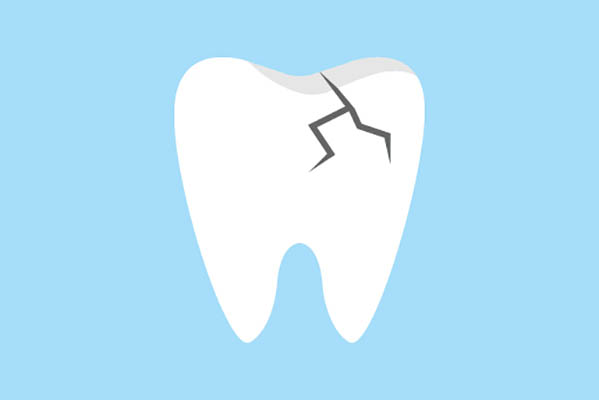
Individuals who have broken teeth may suffer from a lack of self-confidence. Whether you broke your tooth eating something hard or experienced trauma that directly or indirectly impacted the tooth, it is a good idea to get it fixed. Treating a broken tooth has not only aesthetic benefits but also provides dental and overall health advantages. A dentist can recommend treatment options based on various factors.
Benefits of fixing a broken tooth
An improved smile is one of the benefits of treating a fractured tooth, especially if it is a front one. However, there are other benefits. If the break is deep, bacteria will enter the tooth chamber, resulting in decay. Fixing the tooth right away stops this decay and prevents more serious problems.
A severe break may also allow bacteria to infiltrate the gums. Not only can this increase the chances of gum disease, but it may result in infection. Therefore, fixing a fractured tooth can prevent health issues such as osteomyelitis.
Treatment options
After conducting a dental exam and possibly taking X-rays, a dentist will recommend treatment options for a broken tooth. The procedures vary based on the tooth's location, the patient's goals, and the break's severity.
Veneers
Dental veneers are thin shells of porcelain, zirconia, or composite resin bonded to the front of the patient's tooth or teeth. They are an effective treatment option for chips caused by teeth grinding or poor chewing habits, remove stains from teeth that have been restored with fillings or crowns, or help blend the color of the patient's teeth to look more natural.
Veneers are made by taking impressions (molds) of the patient's teeth and sending them to a dental lab. The lab will use the molds to create custom-fitted veneers for the patient's teeth. The process takes approximately two weeks. Depending on the severity of the chip, the dentist may choose to only use veneers as the treatment option or in combination with other dental procedures.
Sealants
A dental sealant is a thin plastic coating applied to the chewing surface of each tooth. The sealants are highly durable and protect teeth from decay by sealing out food particles and plaque. Sealants can be used on both primary (baby) and permanent teeth. However, they are most often placed on the biting surfaces of back teeth. Sealants are not recommended for the front teeth because they can trap food particles between the sealant and the tooth, forming a cavity under the sealant that will not show up until later.
Sealants are often used with fluoride treatments to maximize their preventative benefits against decay. Fluoride treatments strengthen the enamel, making it more resistant to decay.
Filling
Dental fillings are one of the most common dental procedures and are an effective treatment option for a broken tooth, depending on its' severity. Dentists use fillings to treat various dental conditions, including cavities (tooth decay), discoloration, and cracked teeth. However, dentists mainly rely on fillings to repair tooth damage caused by decay.
In order to fix the damage, such as a small hole, the dentist will remove some of the tooth's surface area, ensuring there is enough room to place the filling material (porcelain, composite resin, or amalgam). To finish, the dentist will smooth the surface to ensure it blends with the patient's natural teeth and does not alter the bite.
Root canal therapy
The term root canal refers to the hollow center of the tooth. The treatment is also referred to as endodontics, which means inside of the tooth. The dentist may recommend a root canal if a tooth has been damaged by a chip or crack that allowed bacteria inside the tooth leading to the pulp infection. The pulp area is where the blood vessels, nerves, and connective tissues are located. Root canal therapy removes the infected pulp area and replaces it with a filling material that protects the patient's tooth from further infection.
Dental crowns
A crown may be a good choice if the break is more severe and involves most of the tooth. A dental crown restores the appearance and shape of the tooth because it covers the entire damaged portion. Not only does a crown blend in with the surrounding teeth, but it also protects the underlying nerves, which reduces sensitivity, and restores normal chewing function.
Dental implants
The dentist may recommend an implant or false tooth replacement if the break is severe enough that the tooth needs to be extracted. An implant looks like a natural tooth and provides stability and normal functionality. The dentist will surgically insert the implant into the jawbone, offering a foundation for the artificial tooth or teeth. Dental implants can also be used as an anchor for dentures worn for several years.
Implants can last a lifetime if properly cared for and maintained by the patient and our dental team.
Conclusion
A broken tooth can result in a variety of issues. Therefore, getting it fixed as quickly as possible is recommended to save the tooth and prevent possible irreversible dental consequences.
Request an appointment here: https://www.autumnheightsdental.com or call Autumn Heights Dental at (210) 245-4184 for an appointment in our Converse office.
Check out what others are saying about our dental services on Yelp: Restorative Dentistry in Converse, TX.
Related Posts
A restorative dentist can complete your smile by replacing your missing teeth. This can bring back your oral health and self-esteem. Knowing what teeth replacement method will suit you can help prepare you for your appointment. Here are the details on how seeing your restorative dentist can replace your lost teeth.These removable dental replacements are…
Wondering what a restorative dentist can do about worn-down teeth? Read on to learn more. It is normal for teeth to wear down. However, it becomes problematic if the rate of wear is disproportional to the patient's age. This common dental issue weakens the teeth and also makes the tooth less appealing. A few oral…
Proper dental care can involve more than checkups every six months. When the teeth sustain damage from tooth decay or mouth injuries, a restorative dentist will "restore" the smile to its full functionality. The benefits of consulting a restorative dentist do not stop there. These dental professionals can help relieve pain and improve oral health…
A dental crown can help restore the appearance and function of your smile while improving your oral health. Working with a restorative dentist can streamline the process. Here are a few benefits of getting a dental crown from a restorative dentist.Healthy teeth feature an outer shell known as enamel, which protects the underlying dentin. Though…