5 Tips to Make Your Dental Crown Last
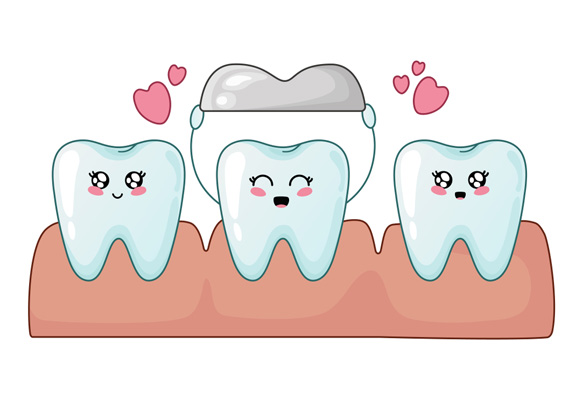
A dental crown offers a durable way to protect a damaged tooth while restoring a natural look and full function to a patient's smile. This long-term solution covers a vulnerable area to prevent further breakage or decay. While these restorations are incredibly strong, they require specific care to remain in top shape for a decade or more. Here are five tips to extend your dental crown's lifespan.
1. Prioritize cleanliness at the gumline
Most will agree that brushing their teeth twice daily is standard oral hygiene. However, it is important to remember that maintaining a clean area, specifically around the base of the dental crown, prevents bacteria from sneaking underneath the edges. Even though the material itself does not decay, the natural tooth structure supporting it remains susceptible to cavities. Patients who brush twice a day and floss regularly protect the foundation of the oral health. Focusing on the area where the crown meets the gum ensures that the seal stays tight and effective.
2. Avoid high-impact habits and mechanical stress
Using the teeth to open packages or bite into hard objects, such as ice, can lead to unexpected cracks or chips. While modern materials are resilient, they are not designed to withstand the extreme pressure of non-food items. Therefore, those who avoid chewing on pens or fingernails preserve the smooth surface of the restoration. Bear in mind that small chips can harbor bacteria and eventually lead to larger structural failures. Treating the crown with the same respect as a natural tooth is a key to its longevity.
Dietary choices also play a role in protecting the integrity of a dental crown over the years. Extremely sticky candies or hard nuts can pull at the restoration or create localized pressure points, causing damage. Choosing to cut hard foods into smaller pieces reduces the strain on the bonding agent and the tooth root. A mindful approach to eating prevents the sudden shocks that can loosen the crown.
3. Manage pressure from bruxism
Excessive pressure from clenching or grinding, also known as bruxism, during sleep or even during high-stress situations, places a massive strain on any restorative work. This habit often leads to premature wear or the loosening of the dental cement over time. A general dentist often recommends a custom-fitted night guard to act as a protective barrier during the night. This simple device absorbs the shock of jaw tension and prevents the porcelain from rubbing against other teeth. Reducing this daily stress is one of the most effective ways to prolong the life of the work.
4. Monitor for subtle changes in fit or feeling
Paying attention to any new sensations, such as sensitivity to temperature or a shift in the bite, helps catch issues early. A dental crown should feel seamless and comfortable at every meal and in every conversation. If a patient notices food frequently getting trapped around the edges, it may signal that the seal is no longer perfect. Like in the case of small chips or cracks, addressing these minor shifts prevents bacteria from reaching the tooth underneath and causing a new infection. Early intervention often saves the wearer from needing a full replacement or a more complex procedure.
Further, a dental crown should never feel loose or move when the tongue or a finger touches it. If the piece feels unstable, it indicates that the cement is failing or that the underlying tooth structure has changed. Promptly seeking professional help ensures that the restoration can be re-bonded before the area becomes compromised.
5. Maintain routine dental checkups
Visiting the office for routine exams allows the dentist to verify the integrity of the work using high-resolution imaging. These checkups catch hidden decay that is impossible to see in a bathroom mirror. A cleaning also removes the hardened buildup (tartar) that standard brushing cannot reach, protecting the gums from irritation. The dentist also checks the alignment of the bite to ensure that the pressure remains evenly distributed across the arch. Consistent professional oversight provides a safety net for any long-term dental investment.
Regular checkups provide an opportunity to evaluate the wear patterns of the porcelain and the health of the bone. As the mouth changes over time, a dental crown may need slight adjustments to remain in perfect harmony with the rest of the teeth. These minor tweaks prevent the restoration from becoming a high spot that requires excessive force during chewing. Professional care ensures that the work remains as functional on the last day as it was on the first.
Call us for more tips and tricks
A healthy smile is the result of a partnership between the patient and the dental team. Following a few simple steps helps ensure the dental crowns remain functional and beautiful for many years. Are you interested in learning more about extending the life of your restorations? Contact Autumn Heights Dental today.
Request an appointment here: https://www.autumnheightsdental.com or call Autumn Heights Dental at (210) 245-4184 for an appointment in our Converse office.
Check out what others are saying about our dental services on Yelp: Dental Crowns and Dental Bridges in Converse, TX.
Related Posts
Dental crowns are a great way to restore the health and appearance of your smile after oral health issues develop. Dental crowns work by surrounding a vulnerable or damaged tooth and offering protection from further damage. Crowns may also be used for teeth replacement purposes as well.Several of the more common oral health issues that…
In most cases, the process of fitting dental crowns takes multiple sessions in the dentist’s chair. This implies an investment of time, effort, and money on your part. It then follows that you want the best out of your investment. So how do you keep the dental crowns in your mouth in excellent condition for…
The cosmetic appeal of dental crowns rests on their ability to sheathe natural teeth. A dental crown is also a custom restoration, meaning that it fits the underlying tooth like a glove. It covers the visible part of the tooth, from the biting surface to the base.These qualities make a dental cap one of the…
Dental crowns protect teeth, and patients should not experience any complications such as increased teeth sensitivity or gum pain while wearing them. If dental crown issues develop, then patients are encouraged to contact the dentist as soon as possible to schedule a visit and have the issue properly examined and treated.Although dental crown issues are…