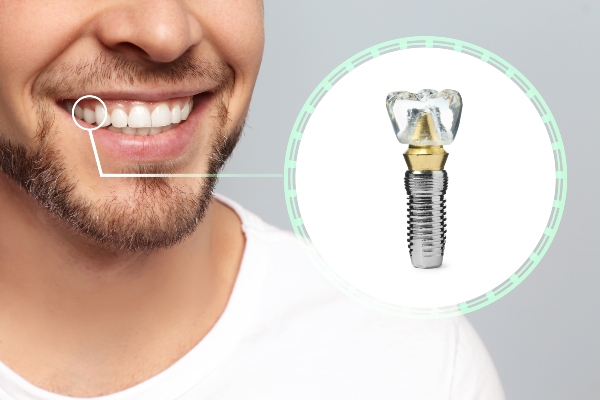
You may not be aware that you need dental implants. But your dentist can tell you that you do, especially if you have regular checkups. Knowing if you need these restorations can motivate you to see your dentist about getting these dental replacements. Here are the three signs that you may need dental implants.
1. Significant changes in one’s appearance
Tooth loss causes jawbone loss. Because of this, facial structures lose proper support. This results in a sunken or caved-in appearance. People with this problem look years older than their true age. This also happens to people who wear temporary dentures. Since these dental replacements only stay on the gums, the jawbone shrinks.
Dental implants have titanium rods that act as dental roots. These structures stimulate the jawbone and signal the body to send nutrients for tissue repair. The jawbone will then begin to thicken and strengthen again. It will start to support the facial structures again. The individual will have a natural facelift. The patient’s smile will also be more natural than the smile one gets from removable restorations.
2. The area shows signs of infection
An individual may need dental implants if there is at least one tooth showing severe signs of infection. The signs may come from poor dental hygiene, injury, or gum disease. Without any treatment, the infection may spread to different parts of the body, including the heart and lungs. Here are the signs to watch out for:
- Bad breath
- Oral pain when lying down
- Throbbing pain in the jawbone, neck, or ear
- Throbbing pain in the tooth
- Bitter taste in the mouth
- Fever
- Swollen neck lymph nodes
- Pressure sensitivity in the mouth
- Temperature sensitivity
- Cheek swelling
The patient’s condition may become life-threatening if the infection spreads to other parts of the body. Dizziness, headaches, or fatigue may occur. There could also be swelling in the area, with chills and fever. These signs and symptoms may prevent the individual to breathe or swallow. There could be rapid pulse rate and dehydration as well. The dentist could recommend dental implants if the area is causing intense pain.
These restorations may also prevent more tooth loss in the future. Dental implants are like natural teeth. Titanium rods serve as dental roots, while the artificial crown replaces the lost natural one. The rods stimulate the jawbone and signal the body to send nutrients for tissue repair. This prevents jawbone loss and possible tooth instability.
These restorations also occupy the dental spaces left by tooth loss. Dental implants prevent neighboring teeth from shifting into these spaces. The stable restorations prevent tooth loosening. This can prevent more tooth loss or even more serious health issues.
3. Damaged teeth
Statistics show that almost 20% of people experience dental trauma. Cracked or chipped teeth must receive treatment right away. If the case is severe, the dentist may recommend dental implants. These restorations can replace the teeth with severe damage. The patient could then enjoy a painless, natural smile.
The mentioned signs can help determine if you should get dental implants
You may reach a point where your dental trauma cannot receive dental repairs anymore. The pain and infection may be too severe for temporary restorations. Recognizing the signs you need permanent dental replacements can end your discomfort. Working with your dentist can help you go through the experience of getting dental implants.
Request an appointment or call Autumn Heights Dental at 210-245-4184 for an appointment in our Converse office.
Related Posts
Many people assume that only a small group qualifies for dental implants. On the contrary, a wide range of adults are eligible to replace teeth with this popular smile restoration. To start, most candidates simply need to be in good health, have a strong jawbone, and practice good oral hygiene. A dental provider looks at…
Dental implants replace tooth roots, anchoring right into the jawbone. They support natural chewing forces, protect the jawbone from tissue loss, and stabilize confident smiles. This design makes them a smart investment for those seeking a long-term solution to replace missing teeth. While dental implants can last a lifetime, their longevity depends on proper care…
When someone is missing one or more teeth, it will affect not only their ability to eat, but also the health of their jawbone and face structure, and this can all be corrected with dental implants. As an additional concern, these implants can improve your smile, which will be good for their confidence level and…